
🌟 Empowering Futures: Inside Our Vocational Training Program in Liberia
Since 2014, Uniting the Stars has been committed to equipping Liberians with practical skills that lead to sustainable livelihoods. What began as free training sessions in our co-founder’s home has grown into a full-fledged vocational training center, officially launched in 2017.
Over the years, we’ve refined our approach—learning what works, adapting our curriculum, and ensuring every student receives hands-on, relevant training. Today, our program is structured into four focused quarters, each building on the last to prepare students for real-world success.
📘 First Quarter: Foundations & Fundamentals
Objective: Introduce students to their chosen trade through theory and basic practical learning.
During the first three months, students gain a foundational understanding of their chosen field of trade. They explore tools, safety protocols, and essential concepts that set the stage for deeper learning.
Examples:
Catering: Learn kitchen tools, ingredients, and simple recipes, like donuts.
Cosmetology: Master basic hair plaiting, the foundation for many protective styles.
Electrician: Understand tools, materials, basic electrical theory, and safety.
Assessment: A written and practical test ensures students are ready to move forward or revisit key lessons.
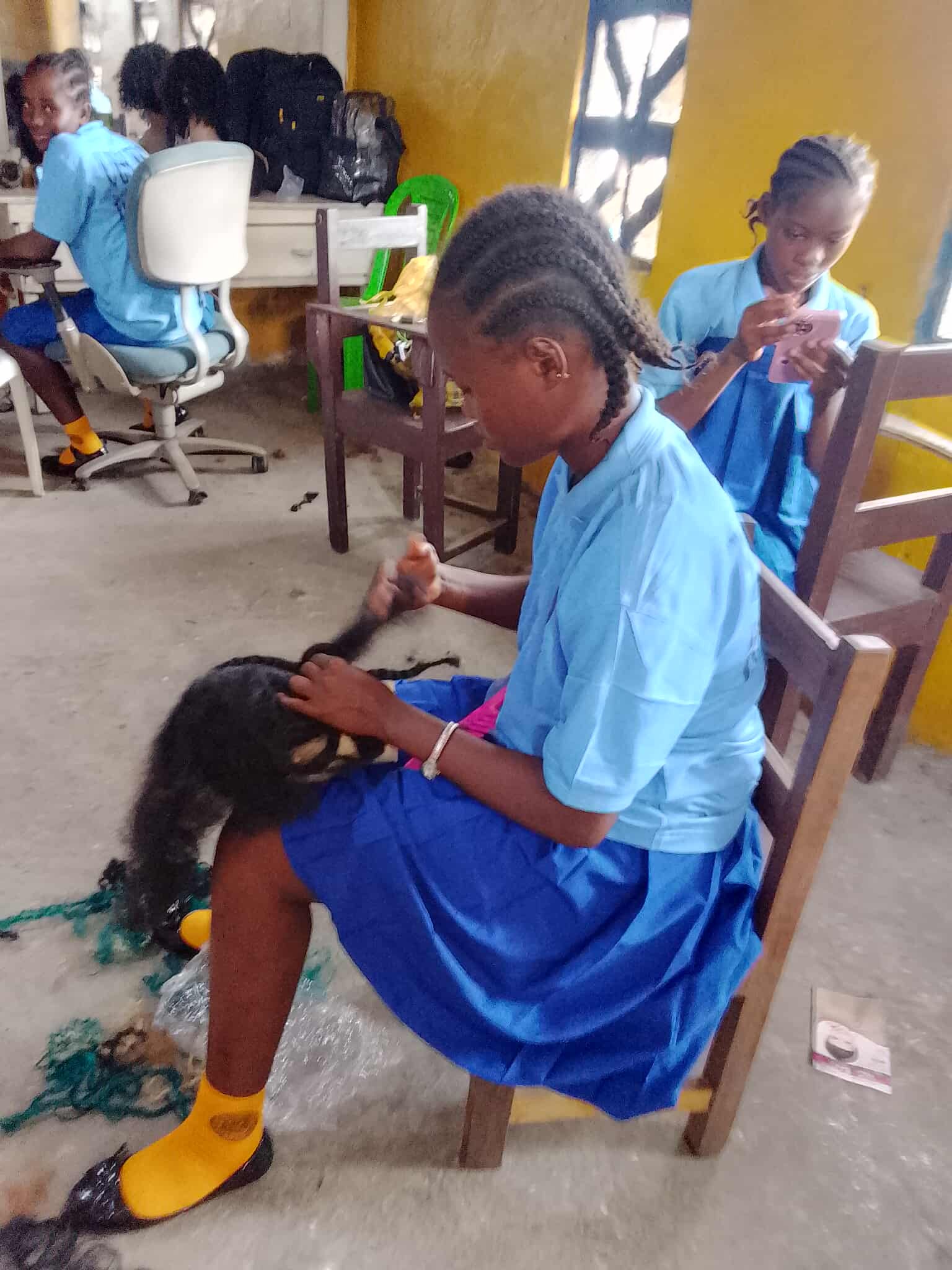
UDS Academic Vocational Training Student working with mannequin head on 10/10/25.
🛠️ Second Quarter: Hands-On Basics
Objective: Begin practical application of skills with guided instruction.
This quarter marks the transition from theory to practice. Students start working directly with materials and tools, gaining confidence through repetition and instructor feedback.
Examples:
Catering: Bake shortbread, cornbread, and prepare simple entrees.
Cosmetology: Work with weaves, attachments, and styling techniques.
Electrician: Learn to identify quality materials and apply them in basic setups.
Assessment: A practical test evaluates their grasp of core techniques and readiness for intermediate work.
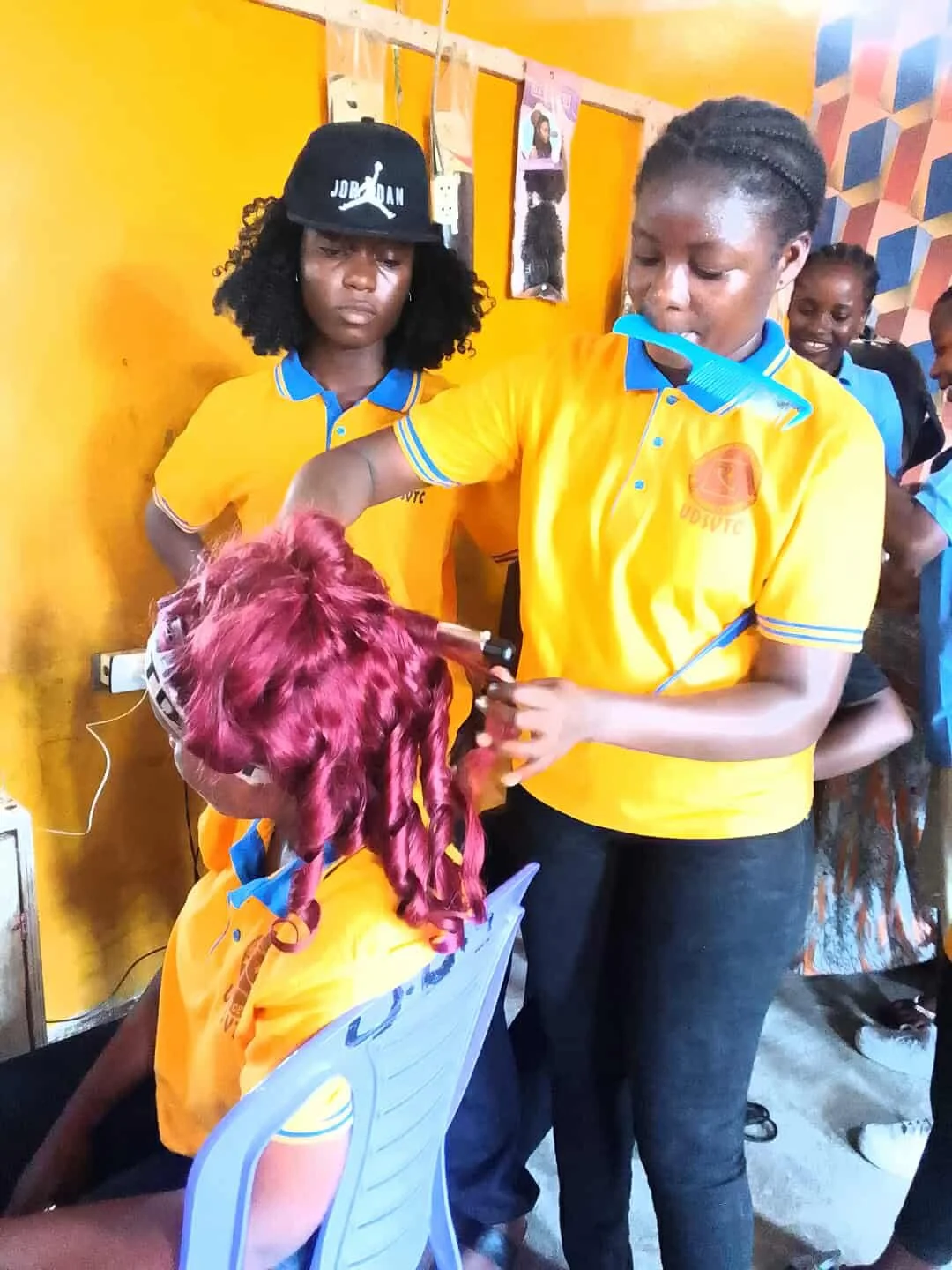
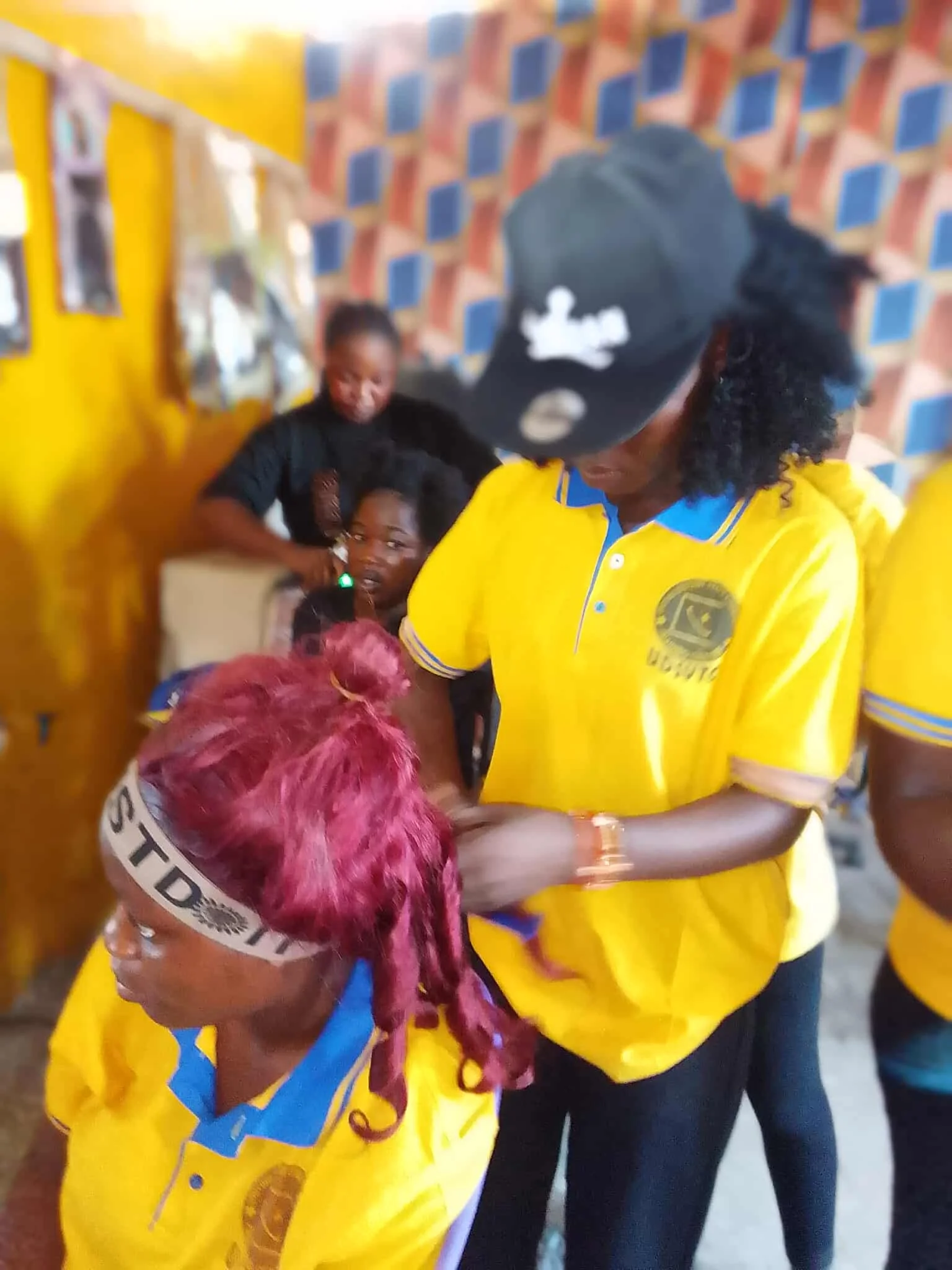
UDS Cosmetology Students practice weaves on 10/10/25
💼 Third Quarter: Intermediate Skills & Income Opportunities
Objective: Advance to intermediate-level tasks and begin earning through practice.
Students now apply their skills in more complex scenarios and may begin offering services to the community under supervision—gaining both experience and confidence.
Examples:
Catering: Prepare advanced baked goods and cook Liberian and American entrees.
Cosmetology: Offer facials, manicures, and pedicures.
Electrician: Install basic home electrical connections.
Assessment: A practical exam confirms their ability to perform intermediate tasks independently.
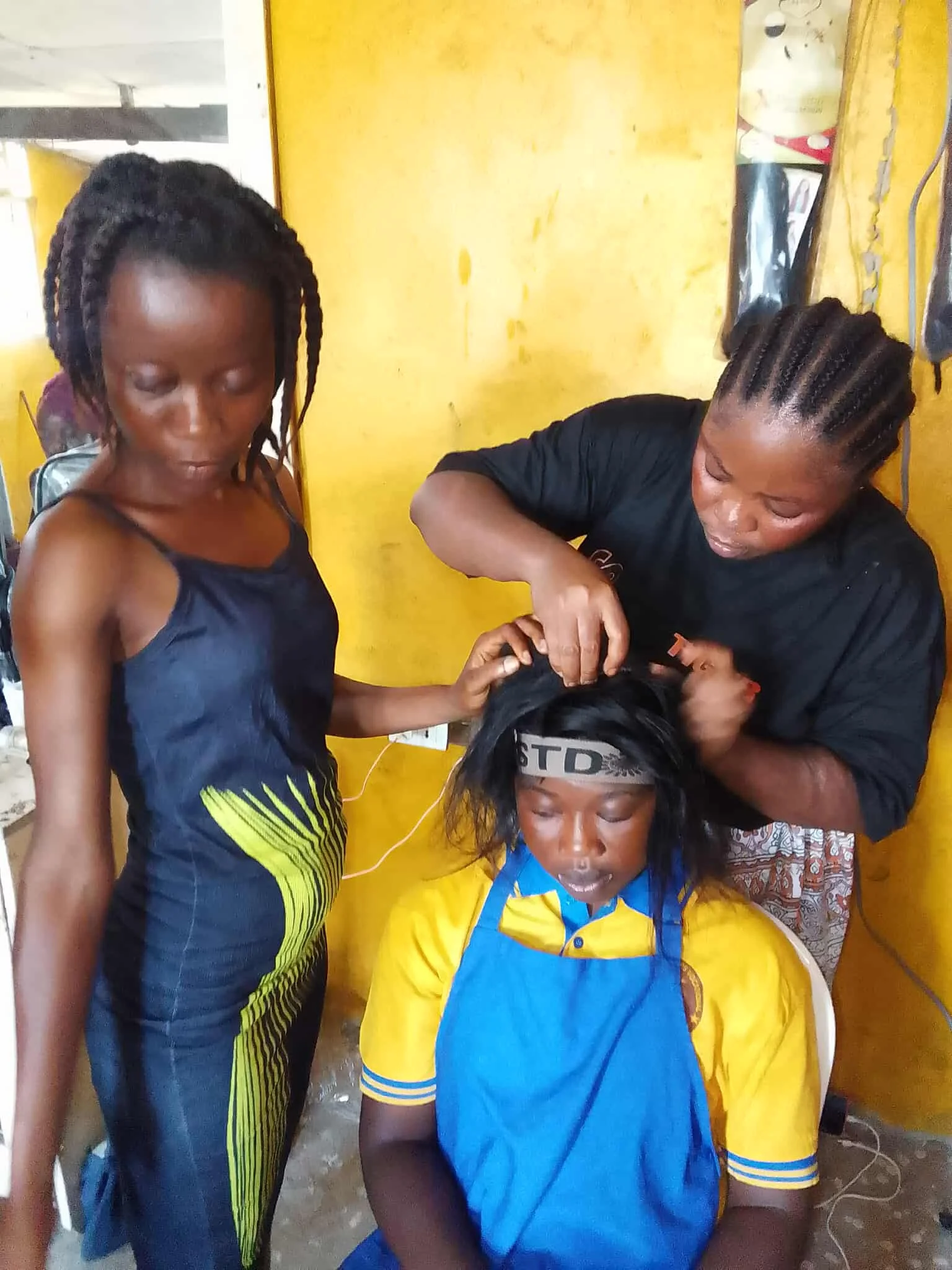
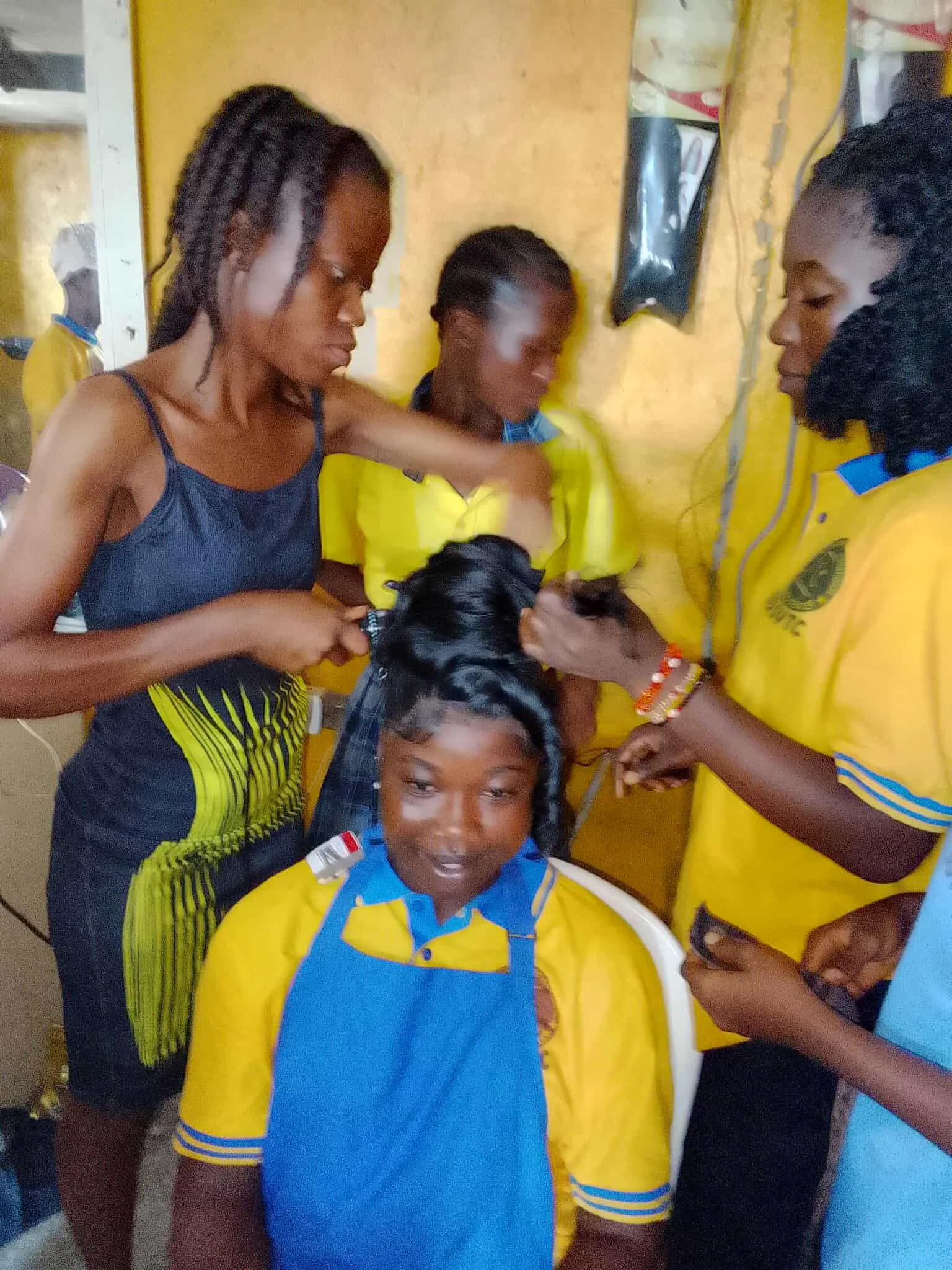
UDS Cosmetology Students practicing weaves and updos on 10/10/25.
🎓 Fourth Quarter: Mastery & Final Evaluation
Objective: Demonstrate advanced skills and prepare for graduation.
In the final quarter, students bring everything together—working on complex projects that simulate real-world demands. This is where they shine.
Examples:
Catering: Bake and decorate cakes; prepare full-course meals.
Cosmetology: Execute intricate hairstyles and perfect spa services.
Electrician: Climb poles, read blueprints, estimate materials, and wire homes.
Assessment: A comprehensive final practical exam ensures students are ready to enter the workforce with confidence and competence.
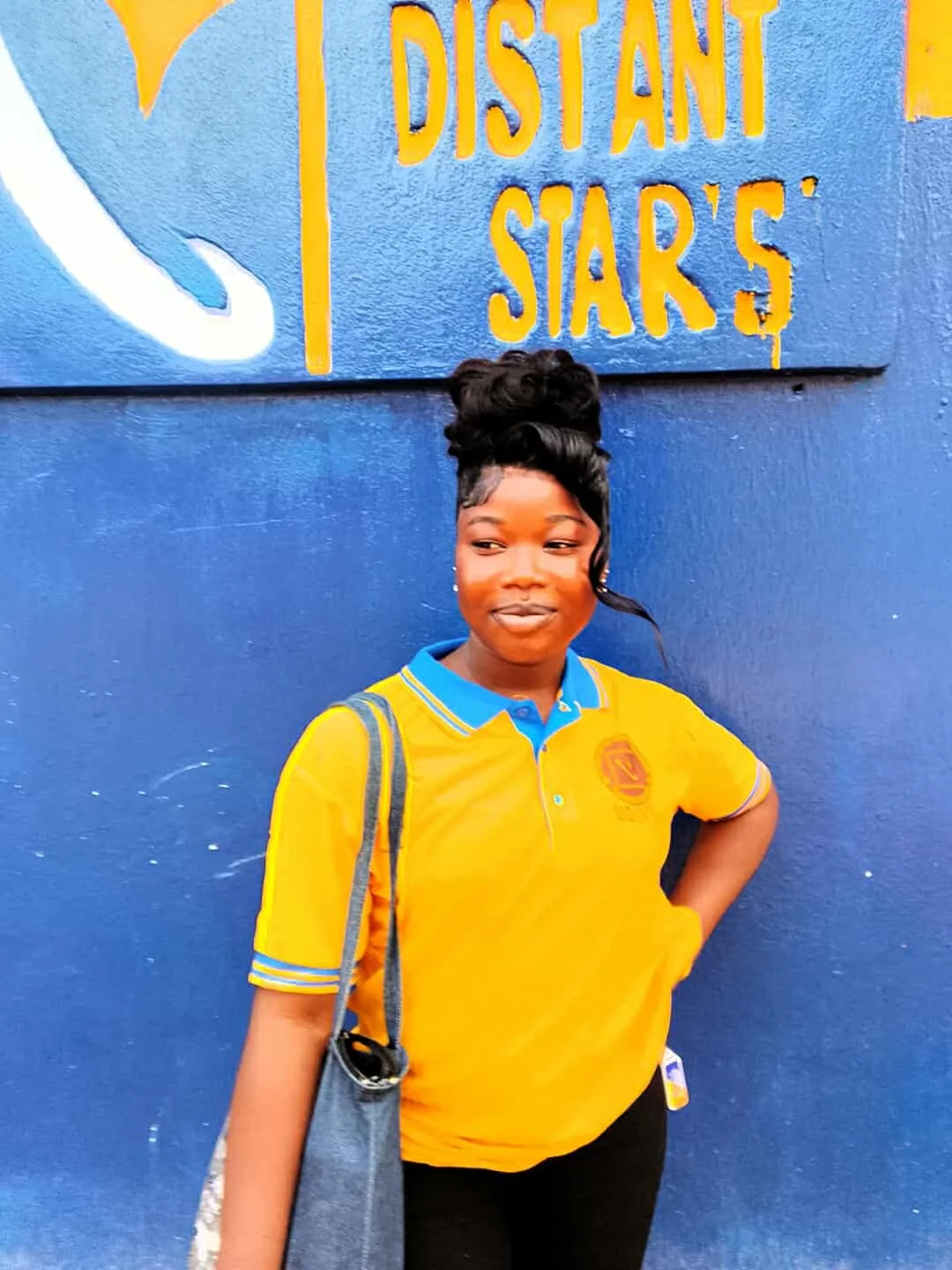
UDS Cosmetology Student models the beautiful hairdo completed by her peers on 10/10/25.
🌍 Why It Matters
Our vocational training program is more than skill-building—it’s about empowerment, dignity, and opportunity. Every graduate leaves with the tools to build a better future for themselves and their communities.

Infographic of the UDS Vocational Training Program